Security buying guide
Smart lock and entry sensor checklist
Start with reliable locks, entry sensors, lighting, and backup access before adding convenience features.
Entry upgrade
Before making the lock smart, make the entry points louder.
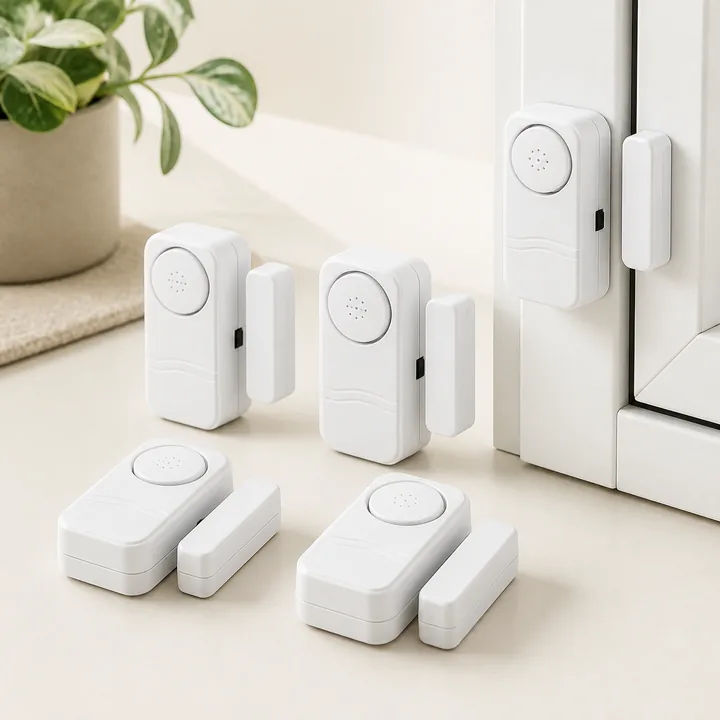
- Buy if: Good for renters, side doors, garage entries, sheds, windows, and rooms where a smart lock would be overkill.
- Set it where it matters: main door, back door, garage entry, low window, cabinet, or shed.
- Check before relying on it: current Amazon details, batteries, size, alert volume, delivery, and seller.
Important limit: It does not replace a strong deadbolt, and it is not remote monitoring.
Disclosure: As an Amazon Associate I earn from qualifying purchases.
Do the lock basics first: A strong deadbolt, working strike plate, spare-key plan, and clean door alignment matter before app controls.
Add entry awareness: A smart lock tells you lock state; a door or window alarm makes opening the entry louder and harder to miss.
Plan backup access: Check batteries, physical key backup, guest codes, landlord rules, and what happens if Wi-Fi or the app fails.
Separate convenience from security: Buy a smart lock for access control and convenience, not because it solves every entry-risk problem by itself.
Related guides
Move between entry alarms, cameras, smart locks, and no-subscription starter setups without leaving the buyer path.
Door and window alarms for renters
Compare simple entry alarms for apartments, rented homes, garages, and windows before moving into heavier systems.
No-subscription home security starter kit
Build a basic home-security setup with local alarms, lighting, locks, and cameras without starting with a monthly plan.
Package theft camera checklist
Check porch visibility, driveway angles, storage, Wi-Fi, and evidence needs before buying a camera for package areas.
Security camera checklist
Evaluate exterior visibility, entry coverage, storage needs, and placement before choosing a camera system.
Basic home-security checklist
A balanced setup can cover entries, packages, motion, lighting, and alerts without overbuying.